Handgley Font: A Modern Typeface That Blends Tradition with Digital Expression
Typography is often the silent storyteller of our visual world. Every font carries a mood, a history, and a purpose. Among the many typefaces available today, Handgley stands out as a distinctive creation by Indonesian type designer Situjuh Nazara. This article explores what Handgley is, why it matters, and how it fits into modern design, creativity, and everyday communication.
Whether you're a designer, a student, a business owner, or simply someone curious about the art of letters, understanding Handgley can deepen your appreciation for typography and help you make better choices in your own projects.
What Is Handgley? A Ground-Level Introduction
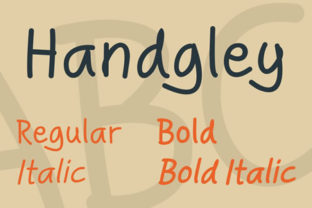
Handgley is a display typeface — a font designed primarily for headlines, titles, and attention-grabbing text rather than long body copy. Created by Situjuh Nazara, an Indonesian typographer known for his expressive and hand-drawn style, Handgley embodies a unique blend of handcrafted warmth and digital precision.
The name "Handgley" itself hints at its character: a fusion of "hand" and "glyph," suggesting letters that feel drawn by hand yet structured enough for modern screens and print. It belongs to a growing category of fonts that resist the cold uniformity of mechanical type in favor of more organic, human-like forms.
The Designer Behind the Font: Situjuh Nazara
Situjuh Nazara is not a household name like Helvetica or Times New Roman, but among type enthusiasts and independent font creators, his work is respected for its authenticity. Based in Indonesia, Nazara designs typefaces that often reflect local character while remaining globally accessible. Handgley is one of his most recognized creations.
Nazara's approach to type design is both artistic and functional. He starts with hand-drawn sketches, then digitizes and refines them — preserving the imperfections that make handwriting feel alive. This process gives Handgley its signature rough, textured edges and slightly irregular letterforms.
Key Characteristics of Handgley Font
To truly understand Handgley, it helps to break down what makes it visually and functionally distinct. Here are its defining features:
- Hand-drawn aesthetic — Each letter appears as if drawn with a marker or brush, with subtle variations in stroke width and angle.
- Rough edges and texture — Unlike smooth vector fonts, Handgley retains a gritty, imperfect quality that adds warmth and personality.
- Uppercase and lowercase variation — The font includes both cases, with certain letters featuring unique flourishes or alternate forms.
- Medium to bold weight — Handgley is not a lightweight font; it carries visual heft, making it ideal for short, impactful text.
- Support for Latin and extended characters — It covers a wide range of languages, including accented letters used in European and Southeast Asian scripts.
These characteristics make Handgley instantly recognizable. It doesn't try to be neutral — it demands attention.
The Purpose and Significance of Handgley
Every font exists to solve a communication problem. Handgley solves the problem of how to inject humanity into digital design. In an era where most text is rendered in clean, impersonal sans-serif fonts (think Arial, Roboto, or Open Sans), Handgley offers a refreshing alternative.
Why Handgley Matters in Modern Design
Typography trends have shifted over the past decade. After years of minimalist, sterile design, there is a growing appetite for authenticity, imperfection, and craft. Handgley fits perfectly into this movement. It is used to:
- Create visual contrast — Pair Handgley with a clean sans-serif for a dynamic, engaging layout.
- Evoke nostalgia and handmade quality — Its rough edges recall chalkboard lettering, signage, and DIY culture.
- Add personality to branding — Small businesses, creative agencies, and personal projects use Handgley to stand out.
In short, Handgley is significant because it reminds us that typography can be human again — even on a digital screen.
Practical Applications: Where Handgley Shines
Knowing the "what" and "why" is useful, but the real value comes from understanding where to use Handgley effectively. Here are practical scenarios across different domains:
In Branding and Logo Design
Handgley works exceptionally well for logotypes and wordmarks. Its hand-drawn character gives brands a bespoke, artisanal feel. Coffee shops, craft breweries, bakeries, and boutique studios often choose Handgley or similar typefaces to signal that they value craft over scale.
Example: Imagine a small coffee roastery called "Bean & Brush." Using Handgley for the logo instantly communicates warmth, handmade care, and a connection to the local community.
In Poster and Event Design
Because Handgley is bold and textured, it performs well at large sizes. Concert posters, festival banners, and event flyers benefit from its strong visual presence. It can be layered over photographs or paired with illustrations to create a cohesive, energetic look.
In Social Media and Digital Content
On platforms like Instagram, Pinterest, and YouTube, attention spans are short. Handgley helps titles and captions stop the scroll. Its irregular shapes feel less formal and more conversational, which aligns with the tone of many creators and influencers.
In Packaging and Product Labels
Handgley is also popular in packaging design — especially for organic, natural, or handcrafted products. A jar of honey, a bar of soap, or a bag of granola labeled in Handgley suggests that the product is made with care, not mass-produced in a factory.
How Handgley Fits Into Modern Life, Work, and Creativity
Typography is not just for professional designers. It touches every part of our visual environment — from the app icons on our phones to the billboards we pass on the street. Handgley, specifically, has found a place in several areas of modern life:
Education and Learning
Teachers and educators sometimes use Handgley in classroom materials, bulletin boards, or digital presentations to make content feel more approachable and less intimidating. Its hand-drawn quality can help students — especially younger ones — feel a sense of familiarity and warmth.
Small Business and Entrepreneurship
For entrepreneurs who cannot afford a custom logo or brand identity, a font like Handgley offers an affordable way to differentiate their brand. It gives microbusinesses a unique visual voice without requiring a designer's budget.
Creative Hobbies and Personal Projects
Anyone creating a personal blog, a wedding invitation, a zine, or a portfolio can use Handgley to add character. Its imperfections make amateur work feel intentional and artful.
Technology and User Interfaces
While Handgley is not suited for body text on websites or apps (it's too rough for long-form reading), it is occasionally used in UI accents — like headers, badges, or callout sections — where a touch of personality is welcome.
Common Misunderstandings About Handgley
As with any specialized tool, there are misconceptions about Handgley. Let's clarify a few:
- Misunderstanding 1: "Handgley is just a messy font."
Reality: Its roughness is intentional and purposeful. It is not a lack of polish but a deliberate stylistic choice to evoke a handmade feel. - Misunderstanding 2: "It's only for casual or childish designs."
Reality: While Handgley has a playful side, it can be used in mature, sophisticated contexts when paired appropriately — think rustic luxury, artisanal branding, or editorial headings. - Misunderstanding 3: "Any hand-drawn font is the same as Handgley."
Reality: Handgley has a specific weight, texture, and letterform structure that distinguishes it from other hand-drawn fonts. Not all rough fonts are equal.
These clarifications help designers and non-designers alike use Handgley with intention rather than by accident.
Tips for Using Handgley Effectively
If you're considering using Handgley in your own work, keep these practical guidelines in mind:
- Use it sparingly. Handgley works best as a display font — for headlines, logos, or short emphasis. Avoid using it for long paragraphs.
- Pair it with a neutral counterpart. Combine Handgley with a clean sans-serif (like Lato, Open Sans, or Montserrat) to balance its roughness with clarity.
- Pay attention to spacing. Hand-drawn fonts often need manual kerning adjustments. Check letter spacing carefully in your design software.
- Test at different sizes. Handgley may look different at 24pt versus 72pt. Always preview your design at the intended output size.
- Consider the medium. Handgley performs well in both print and digital, but its rough edges may soften or sharpen depending on resolution and ink.
The Broader Context: Handgley in the World of Typography
Handgley is part of a larger movement in type design that values imperfection, expression, and cultural identity. It sits alongside other display fonts that prioritize personality over neutrality. In a world where most text is generated by algorithms and displayed on uniform screens, fonts like Handgley reassert the human hand in communication.
For Indonesian type design specifically, Nazara's work contributes to a growing recognition of Southeast Asian typography on the global stage. Handgley is not just a font; it is a representation of how local creativity can find international relevance.
Conclusion: Why Handgley Deserves Your Attention
Handgley is more than a typeface — it is an example of how design can bridge the gap between digital efficiency and human warmth. Created by Situjuh Nazara, this font offers a handcrafted aesthetic that stands out in a crowded visual landscape. Whether you are a designer looking for a distinctive headline font, a business owner building a brand, or a curious reader learning about typography, Handgley teaches us an important lesson: imperfection can be powerful.
Next time you see a poster, a logo, or a social media graphic that feels warm, rough, and hand-drawn, there's a good chance it uses a font like Handgley. And now you know the story behind it — a story of craft, culture, and the beauty of letters drawn by hand.
If you're exploring typography for your own projects, consider giving Handgley a try. It might just be the voice your design needs.