Evaluating Bontella: A Script Font Duo for Your Projects
When selecting a typeface for design work, the choice often comes down to balancing aesthetics with practical functionality. Script fonts, in particular, can add a distinctive handcrafted feel, but they also raise questions about versatility and ease of use. Bontella is a fresh and modern script font duo that aims to address these concerns by combining elegant letterforms with a comprehensive set of features. This article provides an objective evaluation of Bontella, helping you determine whether it aligns with your specific design needs and workflows.
What Is Bontella?
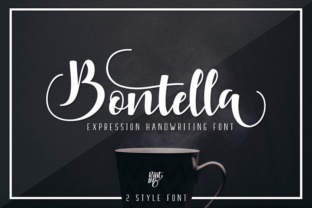
Bontella is not a single typeface but a duo, meaning it includes two complementary styles: Bontella Script and Bontella Script Extra. The core script font offers a fluid, contemporary look with a natural hand-drawn quality. The Extra version, as the name suggests, provides additional stylistic variants, giving designers more flexibility to create unique typographic compositions. The entire package is built around the premise of delivering a polished yet organic script that works across various media, from digital screens to printed materials.
A key technical aspect of Bontella is its extensive glyph set, which includes 420 unique characters. This goes beyond the standard A-Z and numerals, incorporating ligatures, swashes, and alternate letters. Access to these alternates is facilitated through PUA (Private Use Area) encoding, a standard that allows you to insert special characters directly from the font's glyph palette in most design software. This means you do not need specialized scripting or additional plugins to unlock the font's full potential.
Why Consider Bontella? Evaluating the Benefits
Several practical advantages may make Bontella an appealing choice for designers and creators. Understanding these benefits can help you weigh it against other options in the script font market.
Versatility Across Applications
Because Bontella is a duo with an extra weight variant and numerous alternates, it can serve multiple purposes within a single project. You could use the standard script for body text in a wedding invitation, then apply the Extra version or decorative swashes for headlines or flourishes. This reduces the need to purchase multiple fonts to achieve a layered typographic hierarchy. The font is explicitly designed to be suitable for both digital use (such as website headers, social media graphics, and app interfaces) and print applications, including die-cutting for physical projects like stickers, labels, or signage.
Ease of Access to Alternates
The PUA encoding is a genuine time-saver. In software like Adobe Illustrator, Photoshop, or even word processors that support OpenType features, you can simply open the Glyphs panel and click the alternate character you need. This makes the font accessible to designers of all skill levels, not just those comfortable with advanced typography settings. For someone who frequently customizes logotypes or creates hand-lettered looks, this direct access reduces friction and speeds up the design process.
Modern Aesthetic with Depth
Bontella is described as a fresh and modern script. Its letterforms tend to strike a balance between legibility and flourish—enough personality to stand out without sacrificing readability. The 420 unique glyphs mean you can avoid the repetitive look that plagues some simpler script fonts. Each character can have multiple forms, allowing you to create a more natural, varied appearance, which is especially valuable for longer text passages or when designing for a brand that values a bespoke feel.
Tradeoffs and Practical Considerations
No font is a perfect fit for every scenario. An objective evaluation must also consider the limitations and tradeoffs associated with Bontella.
Script Fonts and Legibility at Small Sizes
As with many script typefaces, Bontella may not be ideal for very small text, such as body copy in a print magazine or small navigation links on a website. The decorative alternates, swashes, and connected letterforms can become muddy or hard to read below a certain point size. If your project requires extensive small-scale text, you might need to pair Bontella with a more neutral, readable font for the body. This is a common consideration with script fonts in general, not a flaw specific to Bontella, but it's worth factoring into your decision.
File Size and Performance
A font with 420 glyphs and multiple variants will naturally have a larger file size than a basic script. For digital use, especially on websites or mobile apps, this could slightly slow down loading times if not optimized. Designers working with web fonts should look into subsetting (including only the characters you need) to mitigate this. For desktop use in design software, the file size is rarely an issue, but it's something to keep in mind if you plan extensive use across many documents or systems.
PUA Encoding Limitations
While PUA encoding is convenient, it is not always as seamless as automatic OpenType substitutions (like contextual alternates) found in more advanced fonts. You typically need to manually select each alternate character. This gives you control but can be slower if you need many alternates across a large block of text. Some designers prefer fonts that automatically cycle through alternate forms as you type, but Bontella requires a more hands-on approach. This is a tradeoff between creative control and speed.
Scenarios Where Bontella Is a Strong Fit
Understanding when a font truly shines helps you decide if it meets your project's core requirements. Bontella tends to perform well in the following contexts:
- Branding and Logo Design – For businesses that want a modern, approachable, or feminine identity, the duos and alternates allow you to craft a unique wordmark without relying on generic stock fonts.
- Invitations and Stationery – Wedding invitations, greeting cards, and event flyers benefit from the elegant flourishes and the ability to switch between standard and extra script styles for different sections.
- Social Media Graphics and Digital Marketing – The font's readability on screens at medium to large sizes makes it effective for Instagram quotes, Facebook cover images, and banner ads where a handcrafted aesthetic is desired.
- Product Packaging and Die-Cutting – The clear, well-spaced glyphs work well for physical cutouts in vinyl, paper, or other materials. The PUA-encoded alternates let you tailor each letter for a perfect cut path.
- Creative Projects Requiring a Personal Touch – Blog headers, DIY printables, and portfolio pieces can feel more intimate and less corporate with a script font like Bontella that offers variety.
When Alternatives May Be Worth Considering
Equally important is recognizing situations where Bontella might not be the best tool for the job. In these cases, alternative script fonts or entirely different typeface categories could serve you better.
Limited Script Font Experience
If you are new to using script fonts and prefer an automated ligature system (where the font automatically substitutes the best alternate characters as you type), a font with extensive OpenType features might be a better choice. Bontella's reliance on manual glyph selection could be a learning curve. Fonts with built-in contextual alternates allow you to type normally and get a varied look without extra steps, though they often have fewer manual options.
Very Large-Scale or Team Projects
In a collaborative environment where multiple people need to use the font and maintain consistent styling, the manual handling of alternates could lead to inconsistency. A simpler, more standardized script font might be easier to manage across a team. Also, if you need to embed the font in a web app that serves many users, the file size and licensing should be checked carefully.
Minimalist or Ultra-Modern Designs
While Bontella is modern, its script nature inherently carries a decorative, calligraphic feel. If your design brief calls for a stark, geometric, or highly subdued typographic approach, a sans-serif or a monoline script would likely align better. Bontella's flourishes and alternates may feel out of place in a minimal industrial or tech-themed brand.
Budget Constraints
Specialty script duos can come at a higher price point than single standard fonts. If your project has a limited font budget, you might consider more affordable or free alternatives that offer a basic script weight, though you would likely sacrifice the glyph count and extra style. Weigh the cost against the frequency of use and the value that the extra features bring to your specific project.
Practical Decision-Making Insights
To determine whether Bontella aligns with your goals, start by defining the primary use case. Ask yourself the following questions:
- Will the font be used at medium to large sizes, or does it need to be readable at very small scales? If small body text is critical, plan to pair Bontella with a legible sans-serif companion.
- How important is having a large set of alternates and swashes? If you value a bespoke, handcrafted look and are comfortable manually selecting glyphs, Bontella is a strong candidate. If you prefer a more automated solution, look for fonts with robust OpenType contexts.
- Do you need both the Script and Script Extra variations? Some projects may only need one style. The duo format adds value if you anticipate using the extra weight for headlines or decorative elements, but if you only need a single weight, check whether buying just the standard script is possible.
- What is the technical environment? For print and die-cutting, Bontella's clear letterforms and PUA support are assets. For web use, ensure you can handle the file size and consider subsetting. For collaborative workflows, establish clear guidelines on which alternates to use to maintain consistency.
- Does the aesthetic match your brand or project personality? Preview the font in realistic context—try it in a mock-up of your intended medium. Script fonts can look very different on screen versus in print, and the emotional tone should resonate with your audience.
By systematically evaluating these factors, you can decide if Bontella is the right tool for your typographic toolkit. It offers a fresh, modern script with a wealth of creative options, but like any specialized font, it works best when used with a clear understanding of its capabilities and constraints. Whether you are designing a luxury brand, a DIY project, or a digital campaign, Bontella's duo structure and extensive glyph set provide the flexibility to create something distinctive—provided the tradeoffs are acceptable for your specific context.