Austina Brings a Handcrafted Feel to Modern Typography
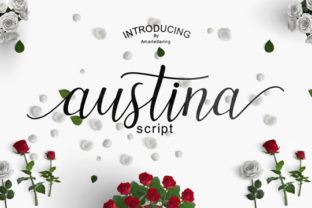
Typography has become one of the most accessible ways to shape how people perceive a brand, a message, or even a single social media post. In a world where digital communication often feels uniform and mass-produced, the desire for authentic, human-driven design has grown steadily. This is where Austina enters the conversation. Austina is a fresh handlettered font that brings a handcrafted warmth to screens and print alike. With 530 unique glyphs, it offers more than just letters—it provides range, personality, and a subtle sense of imperfection that feels genuinely human.
Whether you're designing a logo, writing a newsletter headline, or building a visual identity for a new project, the typeface you choose sets the emotional tone. Austina helps you strike a balance between polished and personal. It doesn't try to be neutral. Instead, it leans into the charm of handlettering while still offering the consistency and versatility that modern workflows demand.
Why Handlettered Fonts Are Gaining Attention
Over the past few years, designers and content creators have moved away from sterile, mechanical typography. The shift toward authentic visual storytelling has opened the door for handlettered fonts to thrive. People are drawn to designs that feel less automated and more crafted. This is not about rejecting technology—it's about using it to amplify human expression.
Austina fits naturally into this trend. Because it is handlettered, each character carries slight variations in stroke weight, angle, and spacing. These irregularities are not flaws. They are what make the font feel alive. In a landscape where users scroll past countless generic posts and advertisements, a handcrafted typeface can stop the eye and invite a second look.
The rise of small businesses, independent creators, and personal branding has also contributed to this shift. Entrepreneurs and freelancers are looking for ways to stand out without hiring a full design team. A distinctive font like Austina becomes a quick and effective way to establish a visual identity that feels intentional and unique.
What Makes Austina Different from Other Handlettered Fonts
Not all handlettered fonts are created equal. Some are too decorative for practical use. Others lack the glyph coverage needed to support multiple languages or special characters. Austina addresses both concerns directly. With 530 unique glyphs, it includes uppercase and lowercase letters, numerals, punctuation, ligatures, alternates, and multilingual support. This breadth means you can use it across a variety of projects without running into limitations.
The range of glyphs also allows for creative flexibility. You can choose alternate letterforms to avoid repetition in longer headlines or to give each word a slightly different rhythm. This is especially valuable for branding, where consistency matters but monotony can weaken impact. The alternates let you keep a unified look while introducing subtle variation that keeps the design fresh.
Another practical advantage is the font's legibility. Handlettered fonts sometimes sacrifice readability for style, but Austina maintains a clear structure. The strokes are confident, the spacing is thoughtful, and the overall form remains accessible even at smaller sizes. This makes it suitable not only for display purposes but also for short paragraphs, pull quotes, and subheadings.
Current Trends That Make Austina Relevant Right Now
The timing is especially good for a font like Austina. Several overlapping trends in design, business, and content creation are driving demand for handcrafted typography.
- Personal branding is everywhere. From LinkedIn profiles to personal websites, individuals are presenting themselves as brands. A handlettered font adds a human touch that resonates with audiences tired of corporate polish.
- Small businesses are prioritizing visual identity. E-commerce shops, local services, and online courses all benefit from a cohesive look. Austina allows business owners to achieve a professional yet approachable aesthetic without needing advanced design skills.
- Social media favors authentic aesthetics. Platforms like Instagram and Pinterest reward content that feels genuine. Handlettered fonts align with the illustrated, handcrafted visual style that performs well in these spaces.
- Remote work and digital communication are here to stay. As more professionals work from home, the line between personal and professional design has blurred. Using a font like Austina in presentations, newsletters, or digital documents can make communication feel more connected and less transactional.
These trends are not fleeting. They reflect deeper shifts in how people want to interact with brands and content. Austina offers a practical way to respond to these expectations without overhauling your entire design approach.
Practical Implications for Creators and Professionals
If you are a designer, the immediate benefit of Austina is the time it saves. Instead of handlettering each project from scratch, you have a robust library of glyphs ready to go. You can still customize and combine, but the foundation is already built. This streamlines your workflow while preserving the handcrafted aesthetic that clients increasingly request.
For entrepreneurs and business owners, the implications are equally practical. A consistent visual identity builds trust. Using a distinctive font across your website, packaging, social media, and email marketing creates a cohesive experience for customers. Austina is distinctive enough to be memorable but versatile enough to work in different contexts. That combination is rare in display fonts.
Marketers and bloggers can also benefit. Headlines and callouts are prime opportunities to capture attention. A handlettered font adds texture to an otherwise standard layout. When used sparingly and intentionally, it can guide the reader's eye and emphasize key messages without relying on heavy graphics or imagery.
Educators and freelancers who create their own materials will find the extensive glyph set especially useful. Whether you're designing a workbook, a course slide deck, or a printable planner, having access to alternates and special characters allows for greater creative control. You are not locked into a single stylistic choice.
How to Integrate Austina into Your Work
Using a handlettered font effectively requires some thought about context and balance. Here are a few grounded recommendations based on real-world use cases.
- Pair it with a neutral sans-serif for body text. This creates contrast and prevents the design from feeling too busy. The handlettered quality of Austina shines when it is the focal point, not when it overwhelms the page.
- Use alternates strategically in longer titles. If you have a headline with multiple words, swapping out a few letters for alternate glyphs can break up repetition and add visual interest. This works particularly well on landing pages and cover designs.
- Reserve it for high-impact moments in your content. A pull quote, a section header, or a product name can all benefit from the personality of Austina. Using it too broadly can dilute its effect.
- Test readability at different sizes. While Austina is legible at smaller sizes, its handlettered nature is most effective when scaled up. Use it where details matter—on signs, covers, headlines, and hero sections.
- Consider your audience. Handlettered fonts work well for creative industries, lifestyle brands, education, and personal projects. For more formal or highly regulated industries, use it sparingly or in branding elements rather than body copy.
Observing the Evolution of Typography in Daily Life
Typographic trends often reflect broader cultural shifts. The move toward handlettered fonts like Austina is part of a larger desire for warmth, individuality, and intentionality in digital spaces. People are spending more time online, and they are becoming more discerning about what they pay attention to. A generic font signals that little effort was made. A handcrafted font signals care.
This is not about nostalgia or rejecting modern tools. It is about using the tools we have to create work that feels more human. Austina represents that direction. It acknowledges that precision and personality do not have to be opposites. With 530 unique glyphs, it gives creators the flexibility to express nuance while maintaining a cohesive visual language.
As design tools become more accessible, the barrier to entry for creating professional-looking work continues to lower. What sets great work apart is no longer just technical skill—it is the thoughtfulness behind the choices. Choosing a font like Austina is one such choice. It signals that you care about how your message is received and that you are willing to invest in the details.
Grounded Observations on What Comes Next
Looking ahead, the demand for authentic, handcrafted design elements is likely to remain strong. As artificial intelligence and automation handle more routine design tasks, the value of human-driven nuance will only increase. Fonts like Austina offer something that algorithms cannot easily replicate: the subtle irregularities and emotional warmth of a hand-drawn letterform.
That said, no single font is a solution for every project. The key is to use Austina where it adds the most value—where its personality aligns with the message and the audience. For product packaging, greeting cards, blog headers, social media templates, and brand identities, it offers a compelling option that balances creativity with practicality.
If you are exploring new typography for an upcoming project, consider what kind of feeling you want to communicate. If the answer involves warmth, authenticity, and a crafted touch, Austina is worth exploring. The 530 unique glyphs give you room to experiment, while the handlettered foundation ensures that your work will stand out in a digital landscape that often feels repetitive.
Typography is a quiet but powerful tool. It shapes perception before a single word is read. With Austina, that first impression carries the texture of something made by hand—something that feels personal, intentional, and refreshingly human.